Best tools for precision in cutting with Cricut
Key Takeaways
- Precision cutting requires the right tools for best results.
- Cricut machines need specific blades and accessories for varying materials.
- Understanding the function of each tool enhances your crafting experience.
- Investing in quality cutting accessories saves time and improves quality.
- Learn about recommended materials and tools in our Buying Guides section.
If you're a proud owner of a Cricut machine, you likely know the importance of precision in your crafting projects. Whether you're working with paper, fabric, or vinyl, the right tools can make all the difference. This guide reviews essential tools necessary for precise cutting and achieving flawless results with your Cricut.
The importance of precision cutting
Precision cutting is crucial in crafting, especially when dealing with intricate designs and detailed patterns. Achieving clean cuts leads to professional-looking results and enhances the overall quality of your projects. It’s not just about having a Cricut machine; it’s about pairing it with the right tools to maximize its capabilities.
Essential tools for precision in Cricut cutting
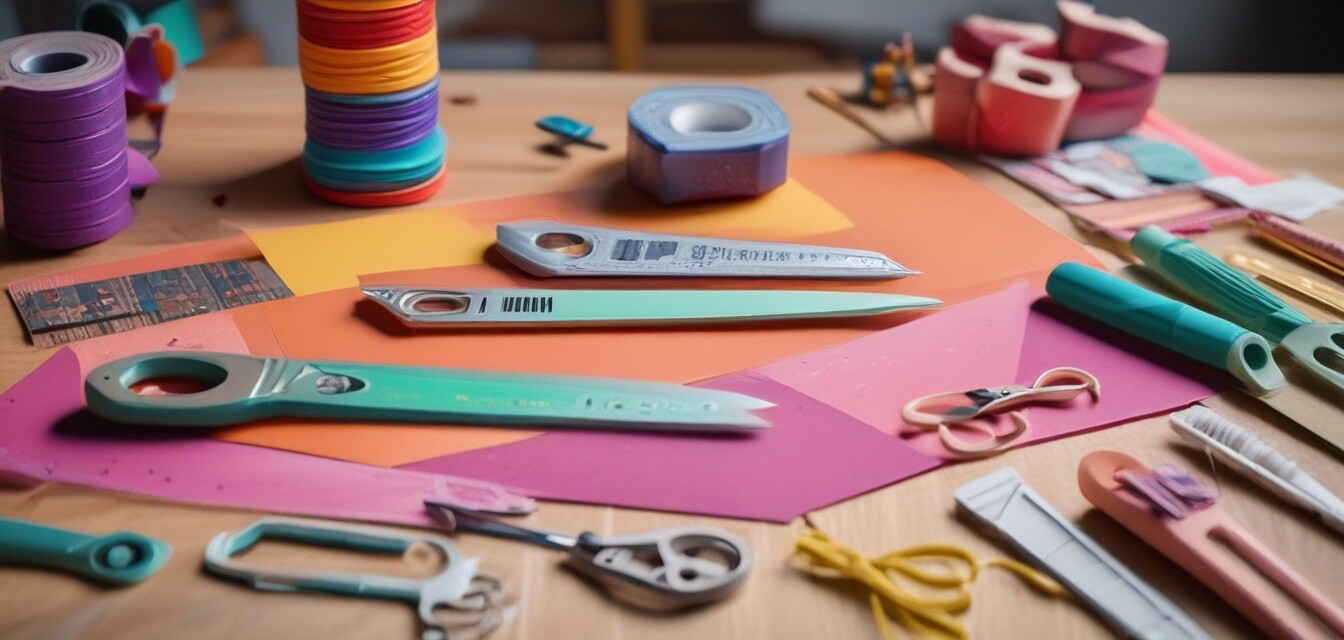
To enhance your cutting accuracy, we’ve compiled a list of the top tools that every Cricut user should consider integrating into their crafting arsenal.
| Tool | Description | Benefits |
|---|---|---|
| Cricut Deep Point Blade | A versatile blade designed for cutting thicker materials. | Ideal for precise cuts through heavy cardstock, leather, and felt. |
| Cricut Fine Point Blade | The standard blade for cutting lightweight materials. | Provides clean, precise cuts on paper, vinyl, and more. |
| Rotary Blade | A blade that rolls and cuts fabric with precision. | Perfect for sewing projects and fabric-based crafts. |
| Cricut Scoring Stylus | An accessory that creates crisp folds in projects. | Useful for card making and creating pop-up designs. |
| Cutting Mat | A surface that holds materials securely during cutting. | Prevents shifting and ensures accurate cuts. |
Tips for achieving precision with your Cricut
Beginner's Section
- Always calibrate your Cricut machine before starting a new project.
- Change your blades regularly to maintain cutting sharpness.
- When using intricate designs, use a slower cutting speed for better results.
- Test your cuts on scrap material to find the right settings before using your final material.
- Keep your cutting mats clean and replace them when they lose adhesiveness.
How to choose the right accessories
Choosing the right accessories can enhance your Cricut experience significantly. Evaluate the types of materials you work with most frequently and consider how often you need to make intricate cuts. Here are some key factors to keep in mind:
- Material Thickness: Different materials require specific blades for best results.
- Cut Complexity: For complicated designs, prioritize tools that support precision cutting.
- Usage Frequency: Invest in high-quality tools if you regularly engage in precision cutting.
Investing in quality tools
While there are many inexpensive tools available, investing in high-quality accessories ensures that you achieve better results over time. Quality tools not only last longer but also perform better, allowing you to create more intricate designs without fuss. Popular categories of tools include:
- Candle and Soap Making Kits
- Embroidery and Sewing Kits
- Polymer Clay Crafting
- Sewing and Quilting Supplies
Conclusion
Mastering precision cutting with your Cricut requires the right combination of tools and practices. By investing in quality cutting accessories and understanding their uses, you can elevate your crafting projects to the next level. Explore our Crafting Inspiration section for more ideas and projects to try!
Pros
- Improves accuracy of cuts.
- Enhances creativity with intricate designs.
- Saves time on redoing projects.
- Reduces waste of materials.
Cons
- Quality tools can be more expensive.
- Requires learning curve to master all tools.
- May require frequent maintenance and blade changes.